Weekly Biblical Portions
Bamidbar
Parashat Bamidbar “In The Desert”  פָּרָשַׁת בְּמִדְבַּר Numbers 1:1-4:20 is the first Torah portion in Numbers, the the 4th Book of the five Books of the Bible and the 34th weekly Torah portion in the annual Jewish cycle of Torah reading which begins on Rosh Ha Shana, the Jewish New Year.

Parasha Bamidbar deals with the census, the arrangement of the camp around the Tabernacle in the wilderness, the order of the march, and the duties regarding maintenance and transport of the sacred objects of the Tabernacle.
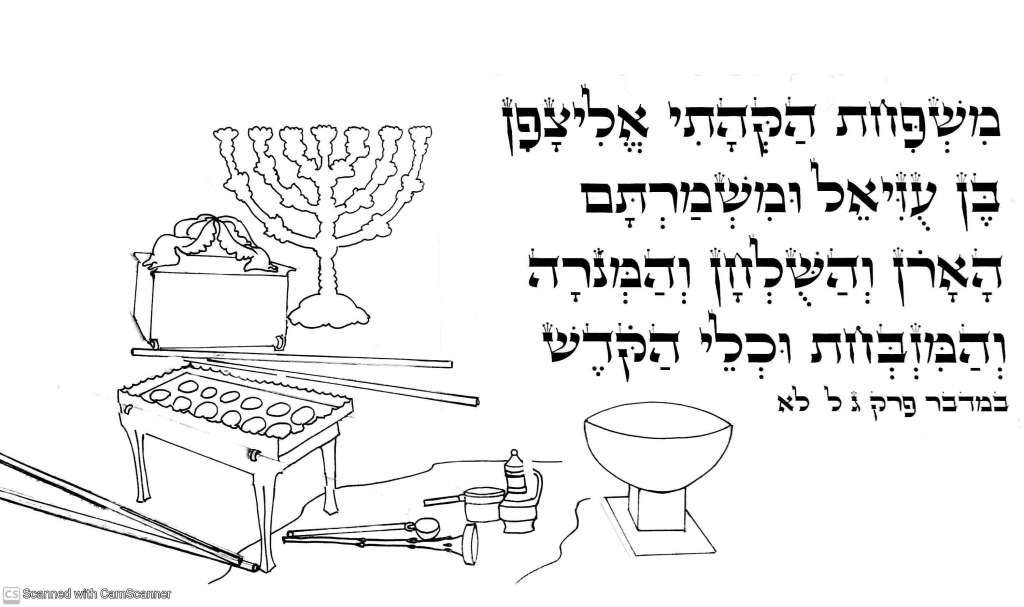
The sacred objects of the Tabernacle are being organized for travel. Translation of Hebrew (Numbers 3, Verses 30, 31) The chieftain of the Kohathite clan, Elizaphan son of Uzziel, his duties are the ark, the table, the lampstand, the altars, and the sacred utensils.
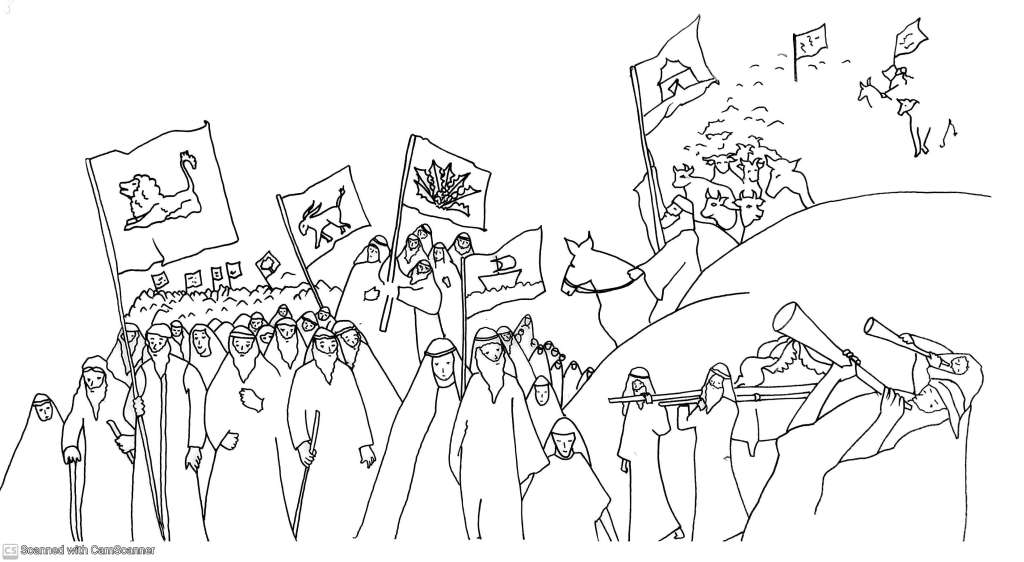
The tribes move out to march in order; the camp of Judah first followed by the camp of Ruben and Ephraim.
Nasso
Parashat Nasso “Take A Census” פָּרָשַׁת נָשׂא Numbers 4:21-7:89, is the second Torah portion in Numbers, the the 4th Book of the five Books of the Bible, and the the 35th weekly Torah portion in the annual Jewish cycle of Torah reading which begins on Rosh Ha Shana, the Jewish New Year.

Parashat Nasso discusses how and who is responsible for erecting the Tabernacle, for anointing it, sanctifying it, caring for it, and moving it.
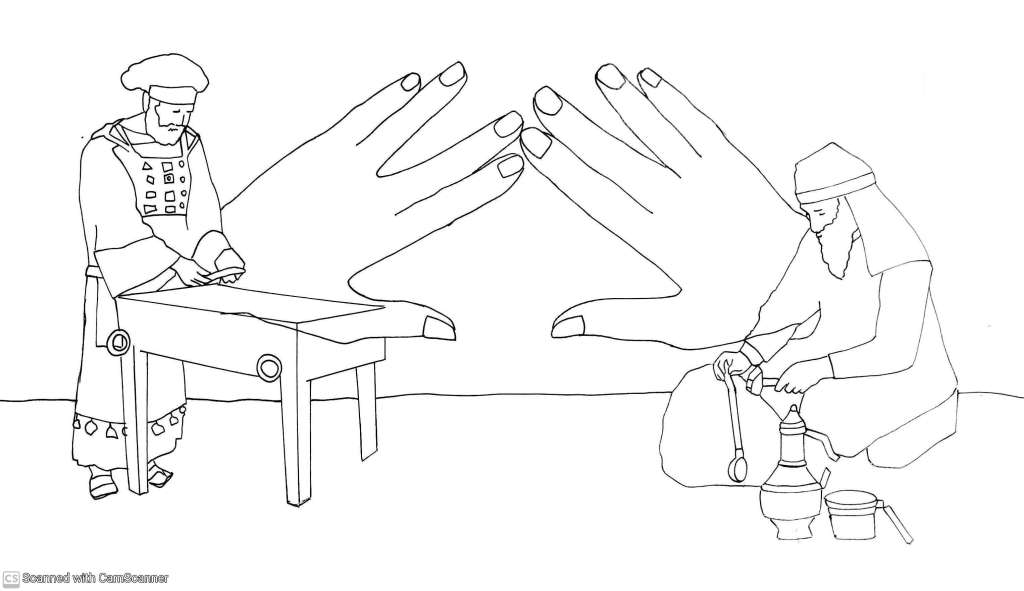
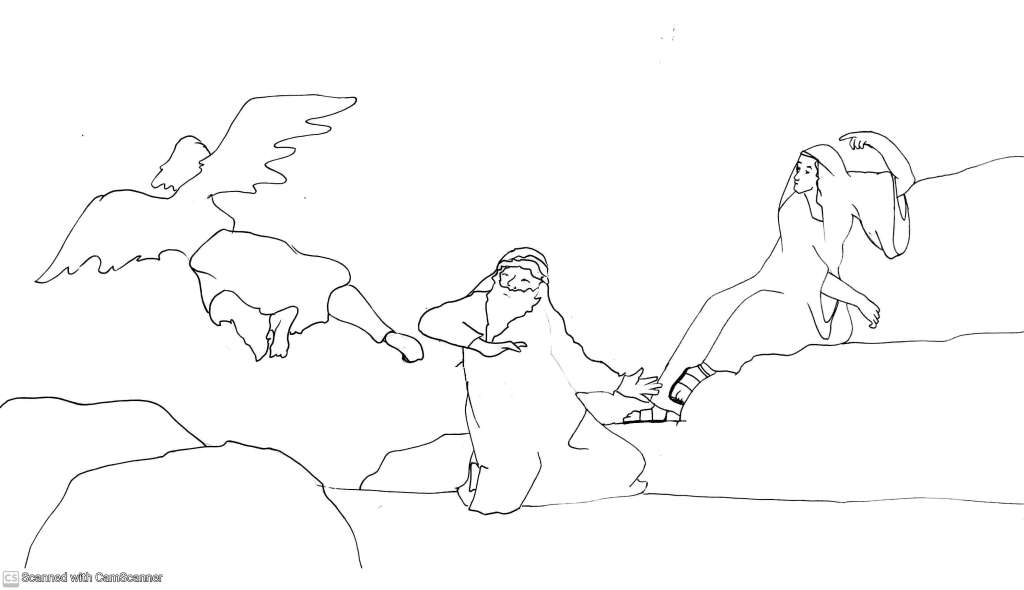
Haftorah (short reading read after the weekly portion) Nasso, Judges 13:2-25: G-d’s angel appears to Manoach and his wife who is barren, to tell them she will have a child whose name is to be Samson, who will save the Jewish people from the Philistine oppression they are enduring.
Beha’alotcha
Parashat Beha’alotcha “When You Raise” פָּרָשַׁת בְּהַעֲלֹתְךָ Numbers 8:1-12:16 is the third Torah portion in Numbers, the the 4th Book of the five Books of the Bible and the 36th weekly Torah portion in the annual Jewish cycle of Torah reading which begins on Rosh Ha Shana, the Jewish New Year.

Parashat Beha’alotcha begins with commands concerning the Menorah, Sanctuary laws, keeping of the Passover, and the use of silver trumpets. Traveling with the Ark is discussed. The unhappiness of the people with their desert menu, results in G-d's bombardment of them with quail followed by plague, and the portion ends with Miriam and Aaron complaining about Zipporah, Moses' wife, and Miriam being made leprous temporarily as a result.
The departure from Sinai, the Ark of the Covenant being set forward in a procession of the tribes of Israel.

The Menorah with two olive trees by it, is mentioned in the Haftorah (short reading read after the weekly portion) of Parashat Beha’alotcha , Zechariah 4, 3.
Sh’lach
Parashat  Sh’lach “Send”  פָּרָשַׁת שְׁלַח־לְךָ Numbers 8:1-12:16, is the fourth Torah portion in Numbers, the the 4th Book of the five Books of the Bible and the 37th weekly Torah portion in the annual Jewish cycle of Torah reading which begins on Rosh Ha Shana, the Jewish New Year.

In Parashat  Sh’lach, twelve messengers scout out the land of Canaan and return with exaggerated tales. Also in it, Jews are commanded with the mitzvah of tzitzit (saying a blessing over the tied threads).

Also below are illustrations from the  Parashat  Sh’lach Haftorah reading Joshua 2, 1-24 (in the Ashkenazi tradition), which is read after the weekly portion reading, where Joshua secretly sends two spies to Jericho who stay with Rahab, who hides them and helps them escape.
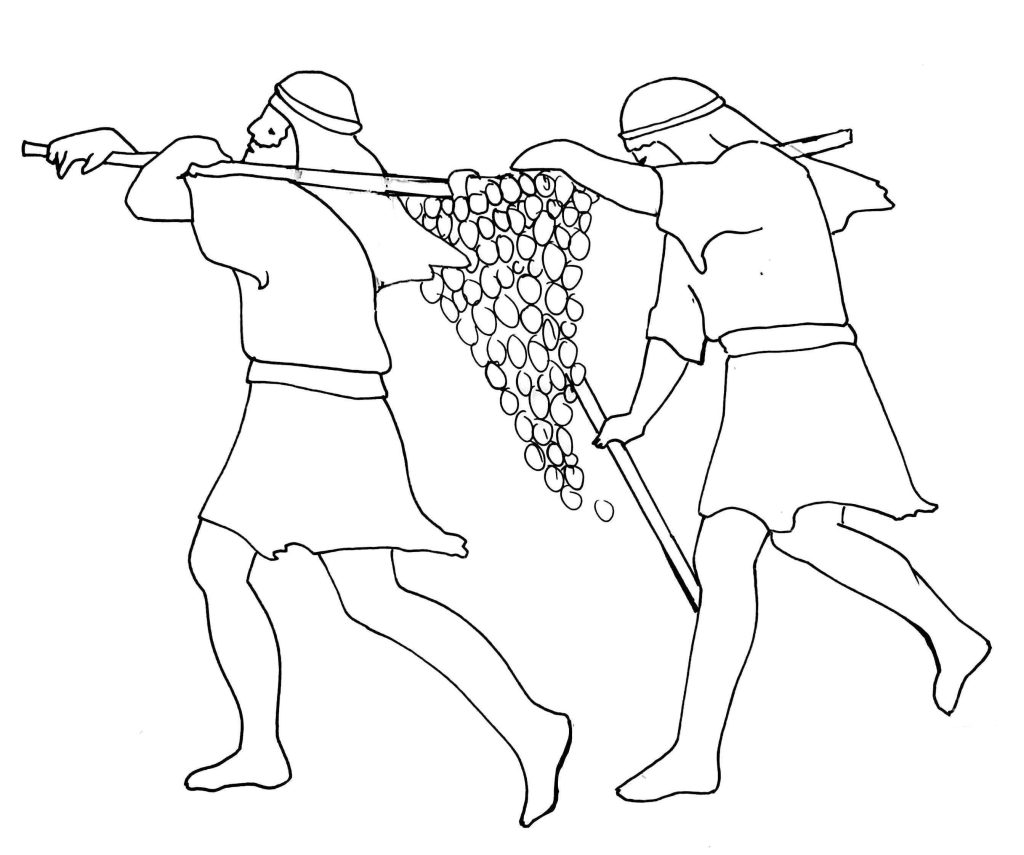
A great cluster of grapes is being brought back by messengers who have seen the land of Canaan.
Translation of Numbers 13, 23:
“And they came unto the valley of Eshcol, and cut down from thence a branch with one cluster of grapes, and they bore it upon a pole…”
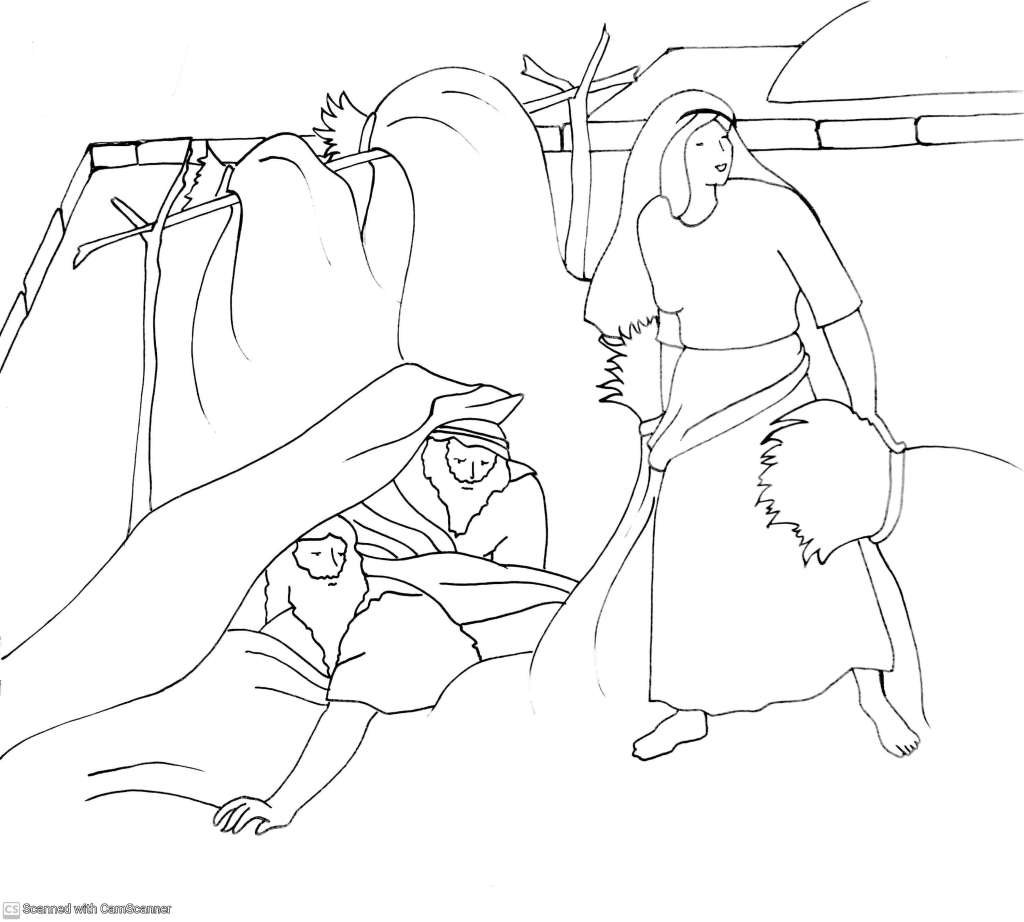
Haftorah Shlach Joshua 2, 1-24
Two spies sent to Jericho by Joshua are hidden by Rahab, who helps them escape.

Korach
Parashat Korach פָּרָשַׁת קוֹרַח Numbers 16:1-18:32, is the fifth Torah portion in Numbers, the the 4th Book of the five Books of the Bible and the 38th weekly Torah portion in the annual Jewish cycle of Torah reading which begins on Rosh Ha Shana, the Jewish New Year.

The name of the Parasha, "Korach," refers to Korach, head of the rebellion against Moses and Aaron.

In Parashat Korach, Korach, who is a Levi, is accompanied by Moses’ inveterate foes, Dathan and Abiram and 250 distinguished members of the community, offer incense to prove their worthiness for the priesthood. G-d, in his anger, opens the earth and swallows Korach and his followers.

A subsequent plague is stopped by Aaron’s offering of incense. Aaron’s staff miraculously blossoms and brings forth almonds, to prove that his designation as high priest is divinely ordained.

G‑d also commands a donation from each crop of grain, wine and oil, as well as all firstborn sheep and cattle, and other specified gifts, be given to the Kohanim (priests).

A subsequent plague is stopped by Aaron’s offering of incense. Aaron’s staff miraculously blossoms and brings forth almonds, to prove that his designation as high priest is divinely ordained.
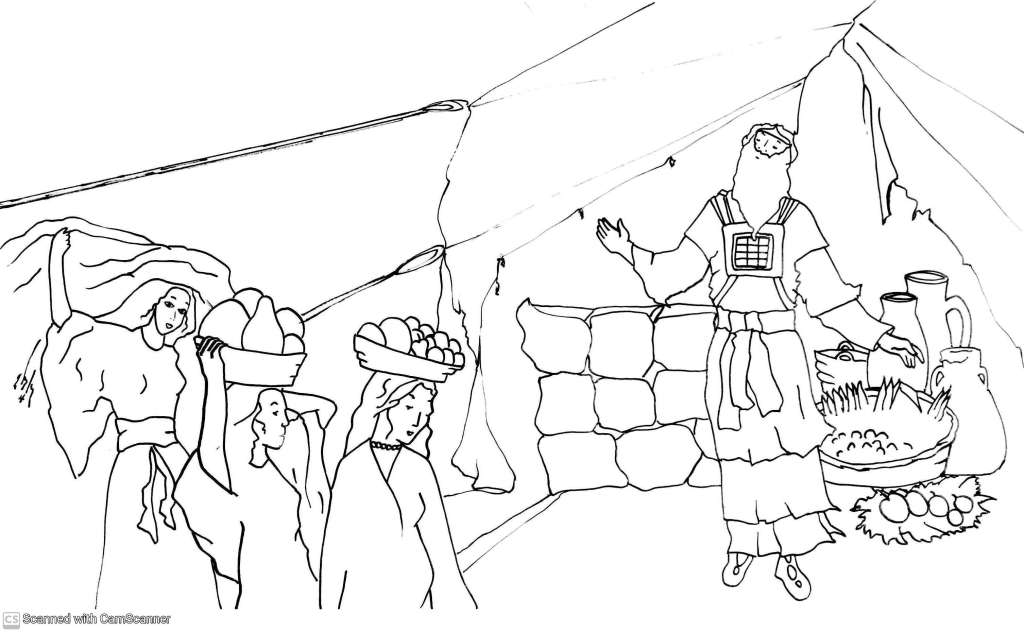
Donations being given to the Kohanim (priests).
Chukat
Parashat Chukat “Law Of” פָּרָשַׁת חֻקַּת Numbers 19:1-22:1, is the sixth Torah portion in Numbers, the the 4th Book of the five Books of the Bible and the 39th weekly Torah portion in the annual Jewish cycle of Torah reading which begins on Rosh Ha Shana, the Jewish New Year.
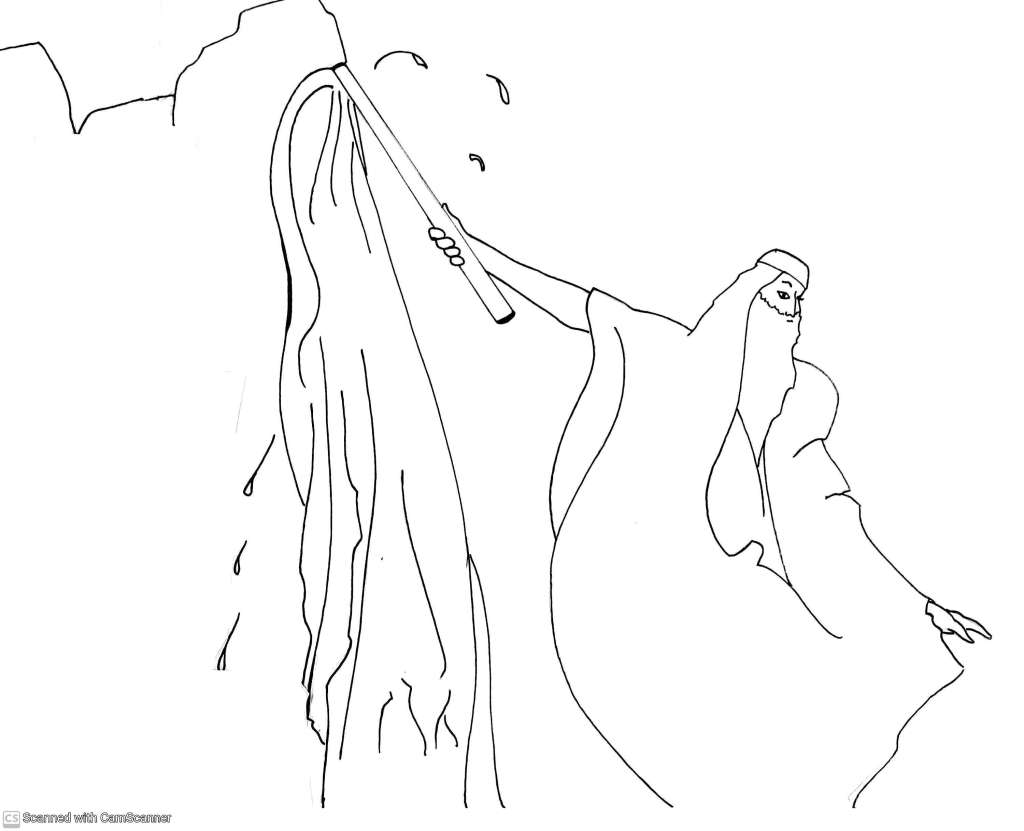
Moses’ sister, Miriam, dies in Parasha Chukat and the well which followed the Israelites in their wanderings through the desert as a sign of Miriam’s merit, ceases to flow. Moses strikes a rock with his staff, providing water for the Israelites. However, the way he goes about it is not pleasing to G-d and for this reason, Moses is not allowed to enter the Promised Land. However, Moses does see it. He dies on Mount Nevo, just East of Canaan and overlooking it.
Balak
Parashat Balak פָּרָשַׁת בָּלָק Numbers 22:2-25:9, is the seventh Torah portion in Numbers, the the 4th Book of the five Books of the Bible and the 40th weekly Torah portion in the annual Jewish cycle of Torah reading which begins on Rosh Ha Shana, the Jewish New Year.
Parasha Balak tells the story of Balak, the King of Moab, who sends messengers to the Prophet Balaam, to curse the People of Israel. G-d sends an angel to dissuade Balaam. Balaam doesn’t see the angel but his donkey does and gets beaten by Balaam for trying to avoid it.
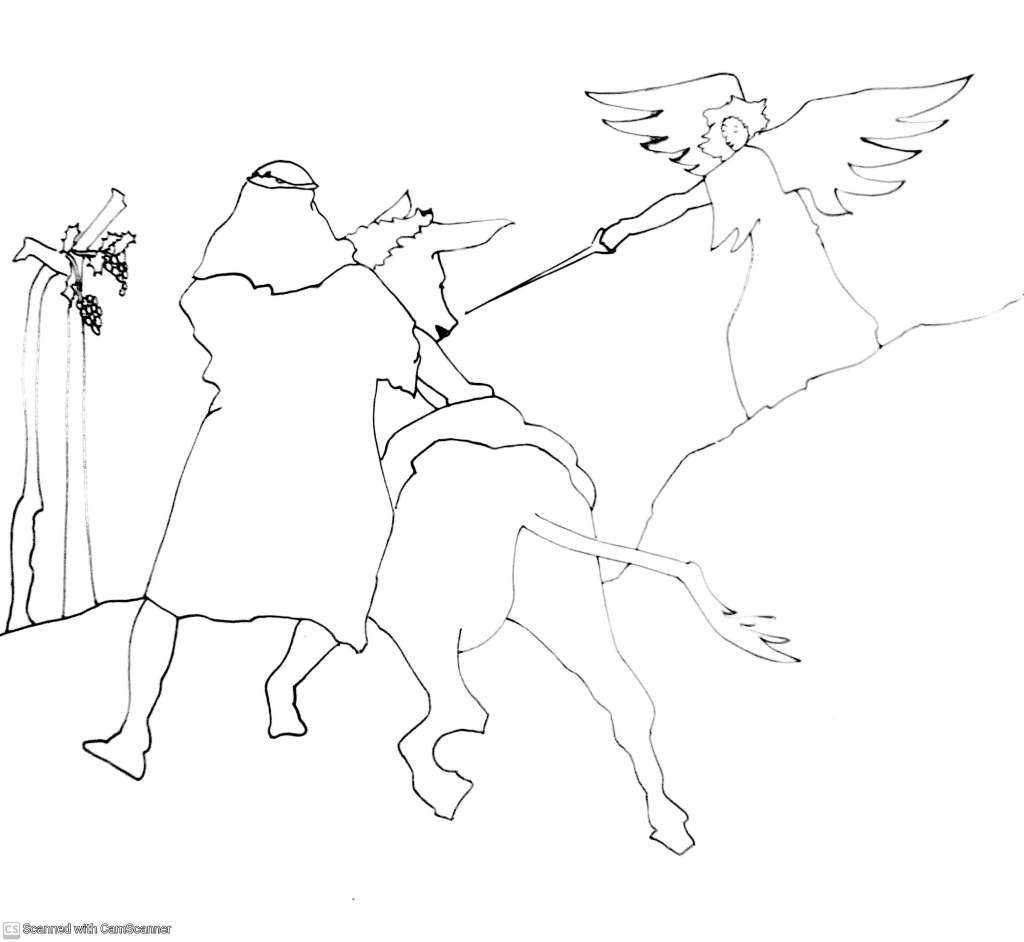
Balaam, angry with his donkey
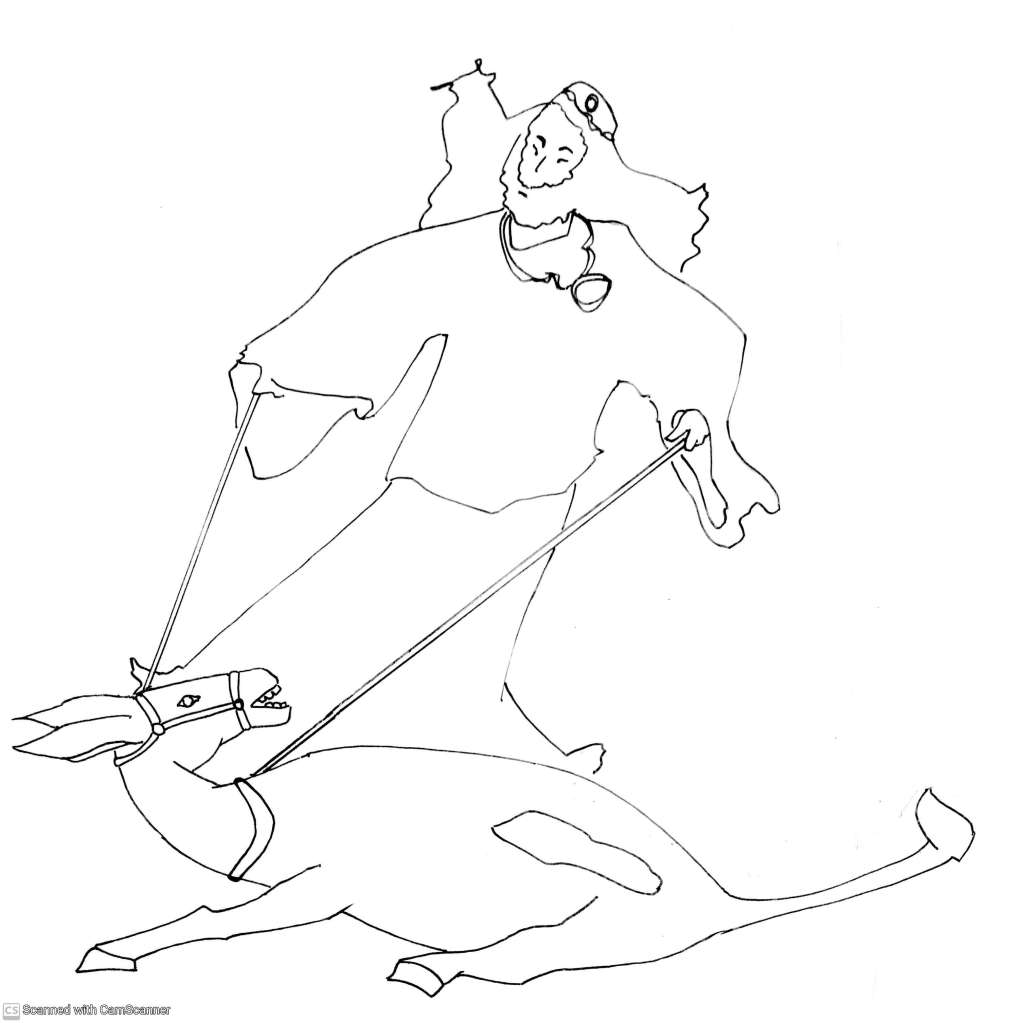
Balaam’s at odds with his talking donkey
Pinchas
Parashat Pinchas פָּרָשַׁת פִּינְחָס Numbers 25:10-30:1, is the eighth Torah portion in Numbers, the the 4th Book of the five Books of the Bible and the 41st weekly Torah portion in the annual Jewish cycle of Torah reading which begins on Rosh Ha Shana, the Jewish New Year.
Pinhas is known for his zealousness for G-d’s holiness. He is the son of Eleazar and grandson of Aaron, the high priest. He is most noted for his decisive action in stopping a plague among the Israelites by executing an Israelite man and a Midianite woman who were flagrantly disobeying God’s commands (Numbers 25:7-8).
In Parasha Pinhas, a census is taken to ensure that each tribe receives the land it deserves according to its size. A census of the people counts 601,730 men between the ages of twenty and sixty. Moses is instructed on how the Land is to be divided by lottery among the tribes and families of Israel. Moses empowers Joshua to succeed him and lead the people into the Land of Israel.
And in conclusion, the five Zelufhad sisters of the Tribe of Manasseh, petition Moses to grant them the portion of the land belonging to their father, who died without sons. Their claim is granted, establishing the order of Biblical inheritance to include women.
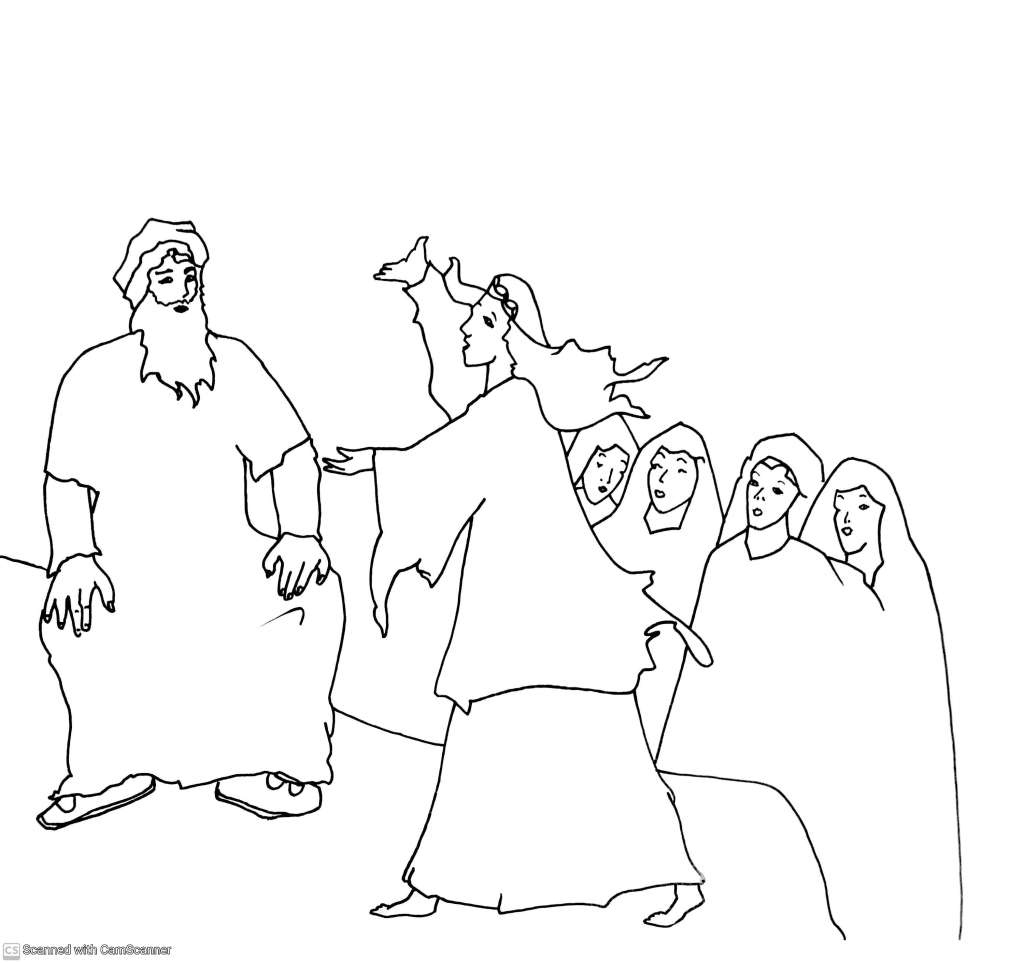
The five Zelufhad sisters petition Moses to grant them the portion of the land belonging to their father, who died without son.
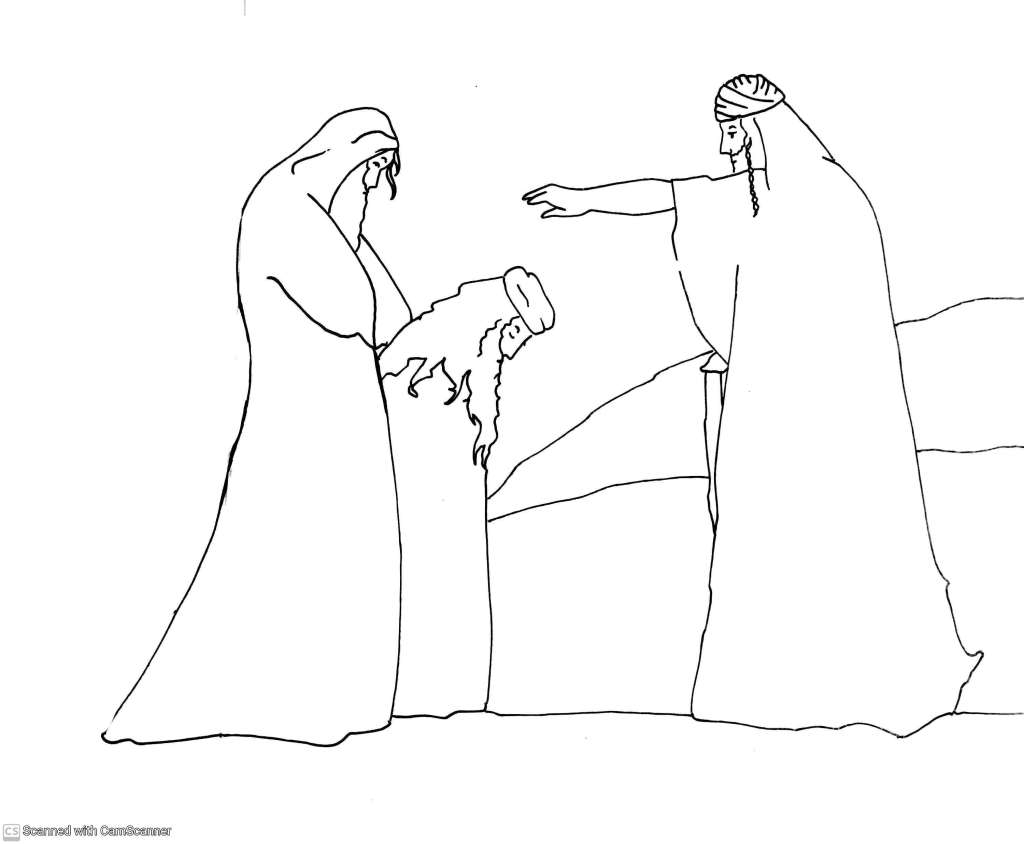
Moses passes responsibility of the Israelites to Joshua in a ceremony including the high priest, Eleazar.
Translation of Hebrew (Numbers 27, 22-23):
“Joshua, the son of Nun, who stands before thee, he shall go in thither: encourage thou him, for he shall cause Israel to inherit it.”
Matot
Parashat Matot "Tribes" פָּרָשַׁת מַּטּוֹת Numbers 30:2-32:42, is the ninth Torah portion in The Book of Numbers, the the 4th Book of the five Books of the Bible and the 40th weekly Torah portion in the annual Jewish cycle of Torah reading which begins on Rosh Ha Shana, the Jewish New Year.
In Parasha Matot, the tribes of Reuben and Gad negotiate with Moses for land on the east side of the Jordan which is suitable for their cattle herds. Moses acquiesces on the condition that they help conquer it.
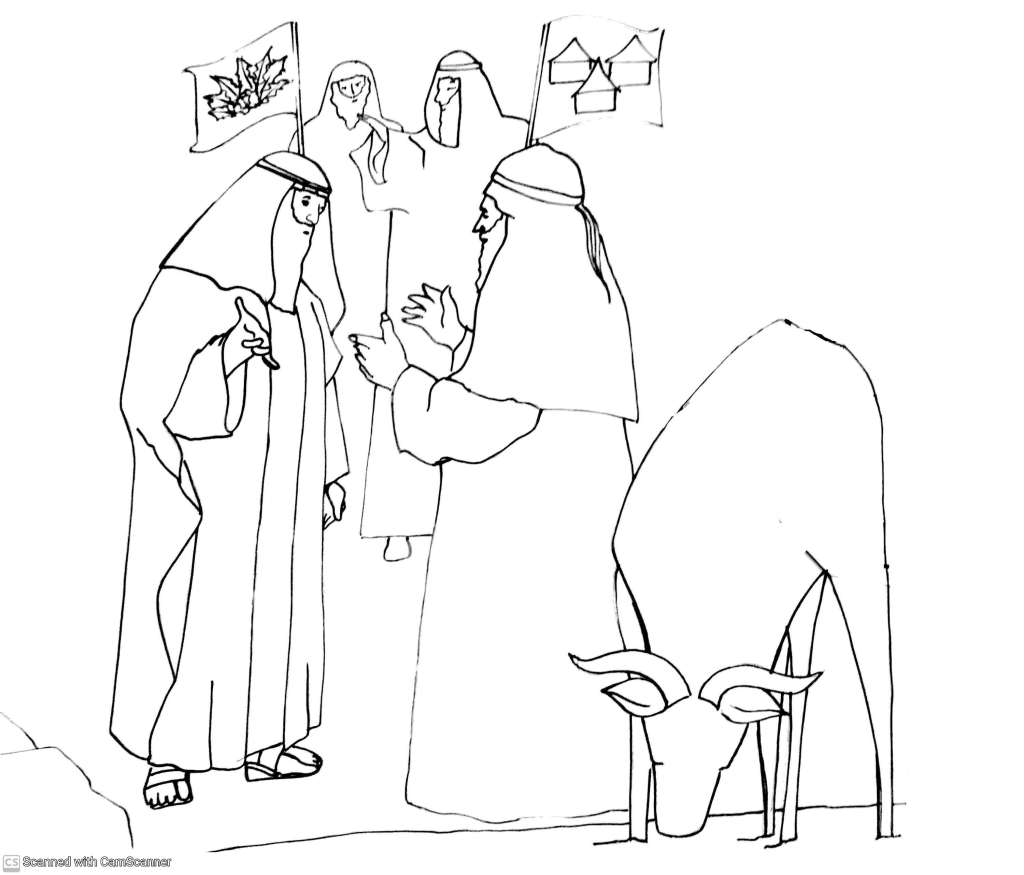
The Gadites and Reubenites, their tribal banners flying, come to request of Moses that they receive land on the east side of the Jordan, suitable for their cattle.
Translation of Numbers chapter 32, verse 1-5:
“…The children of Gad and the children of Reuben come [to Moses saying] let this land be given unto your servants, bring us not over the Jordan.”
Masei
Parashat Masei “Travels” פָּרָשַׁת מַּטּוֹת Numbers 33:1-36:13, is the last Torah portion in Numbers, the the 4th Book of the five Books of the Bible and the 41st weekly Torah portion in the annual Jewish cycle of Torah reading which begins on Rosh Ha Shana, the Jewish New Year.
Parasha Masei designates cities of refuge in the Land the Israelites are about to enter.
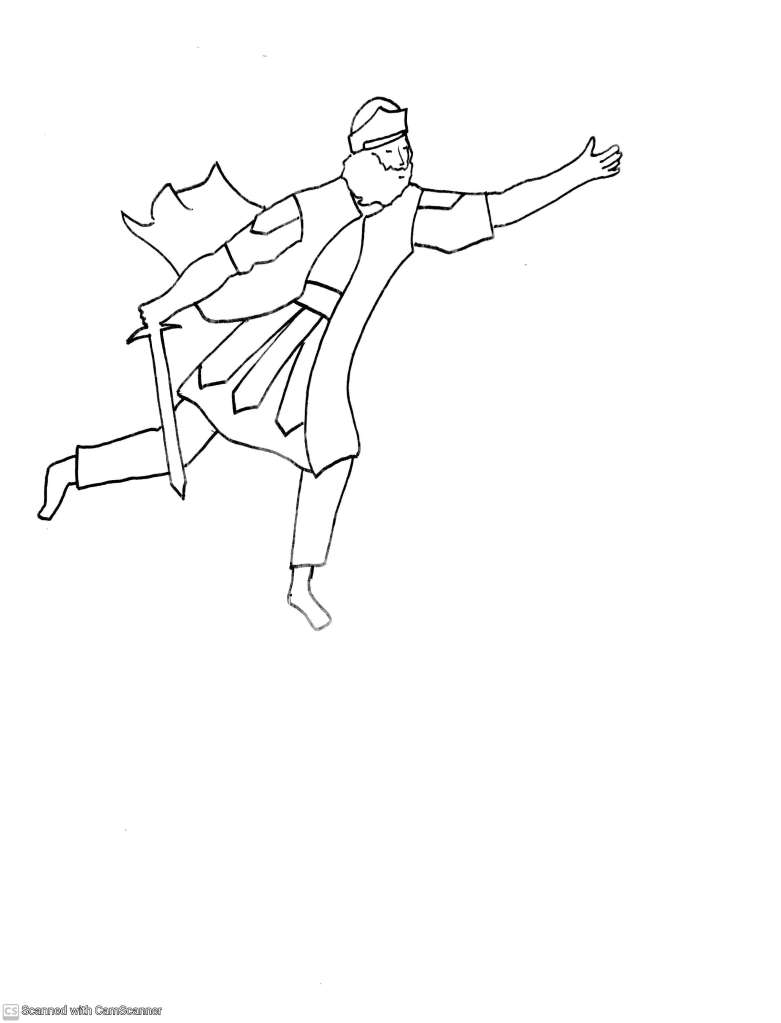
A fugitive who is being pursued, is entering a city of refuge.
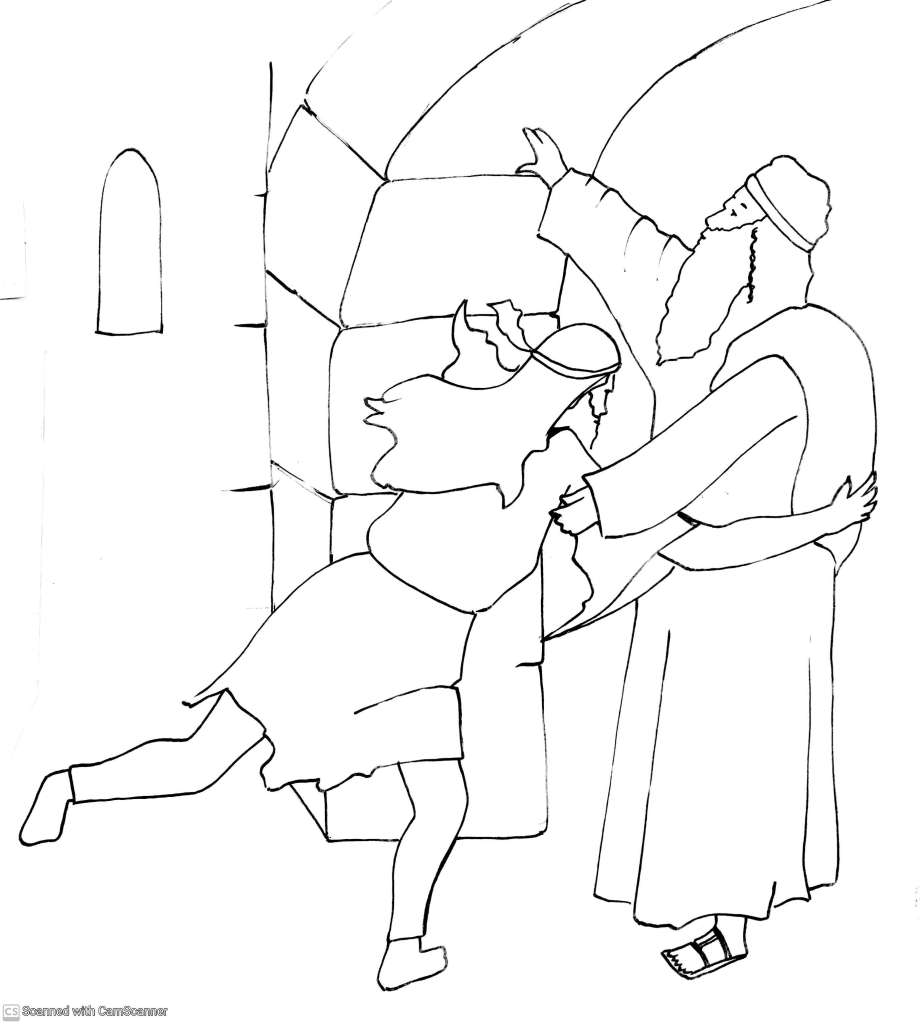
Translation of Hebrew (Numbers chapter 35, verse 12):
“And the cities shall be unto you for refuge from the avenger, that the manslayer die not, until he stand before the congregation for judgment.”
 Israelcraft
