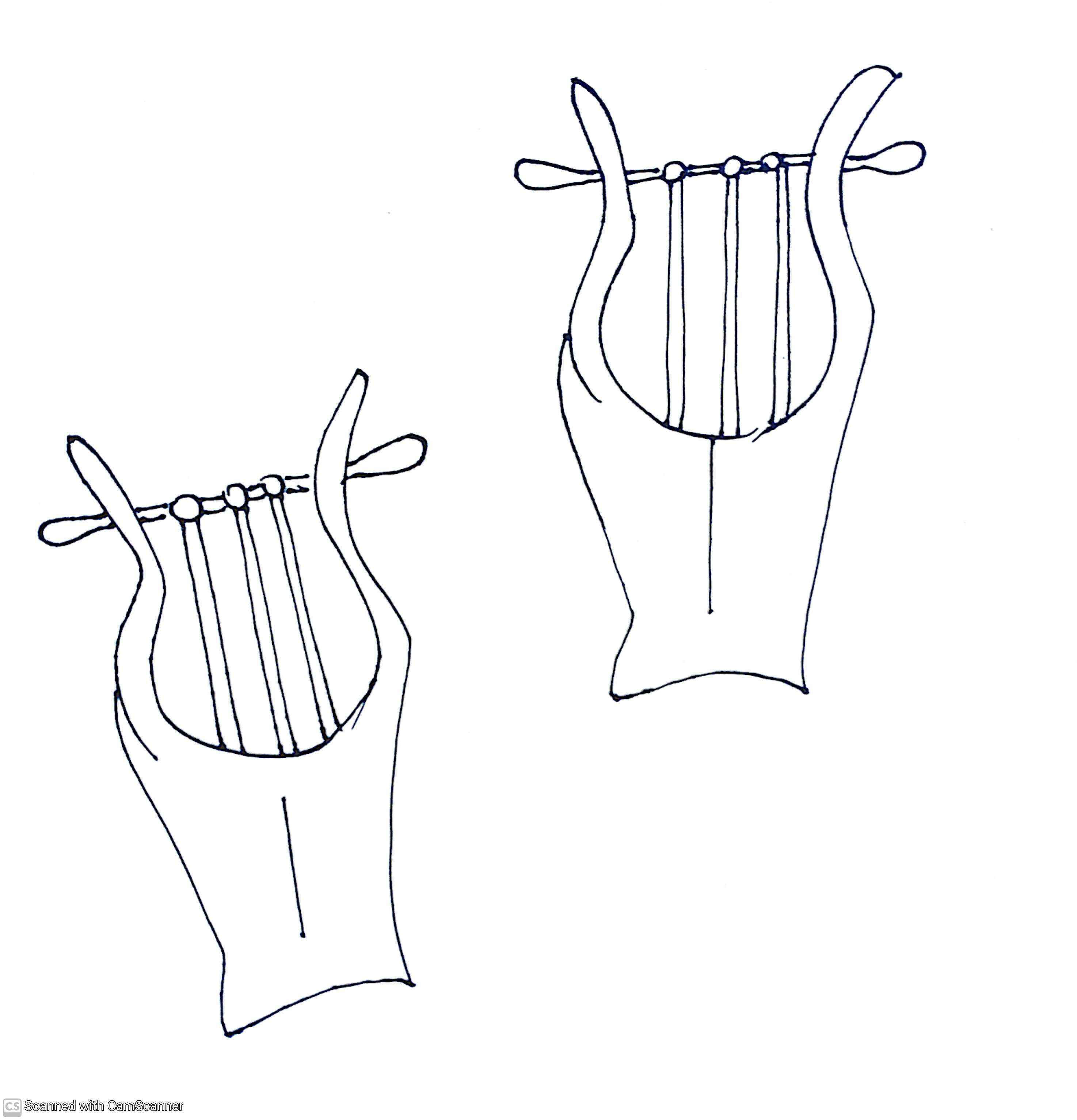
Weekly Biblical Portions
Vayikra
Parasha Vayikra “He Called” פָּרָשַׁת וַיִּקְרָא Leviticus 1:1-5:26 is the first portion in the Book of Leviticus, the third Book of the five books of the Bible; and the 24th weekly Torah portion in the annual Jewish cycle of Torah readings read annually, beginning on Rosh Ha Shana, the Jewish New Year.
Parasha Vayikra presents detailed instructions of service in the Tabernacle and the giving of offerings.
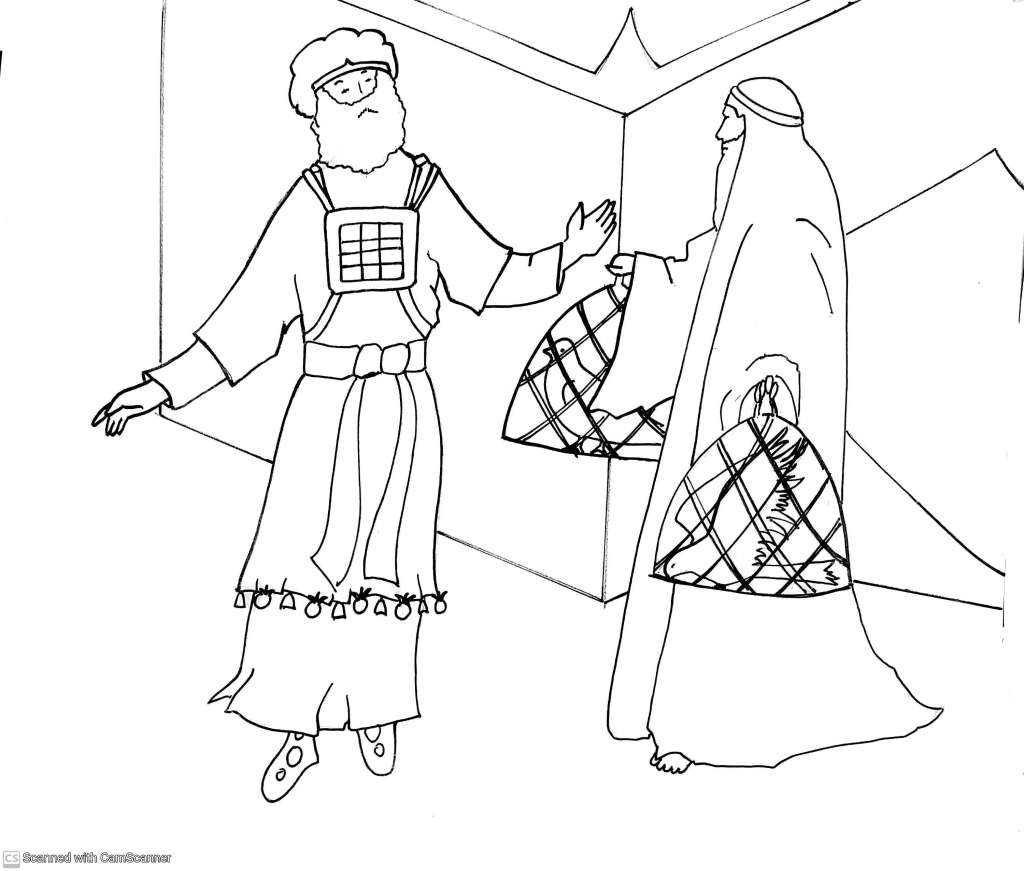
A man of modest means brings two turtle-doves as an offering. Vayikra chapter 5, verse 7
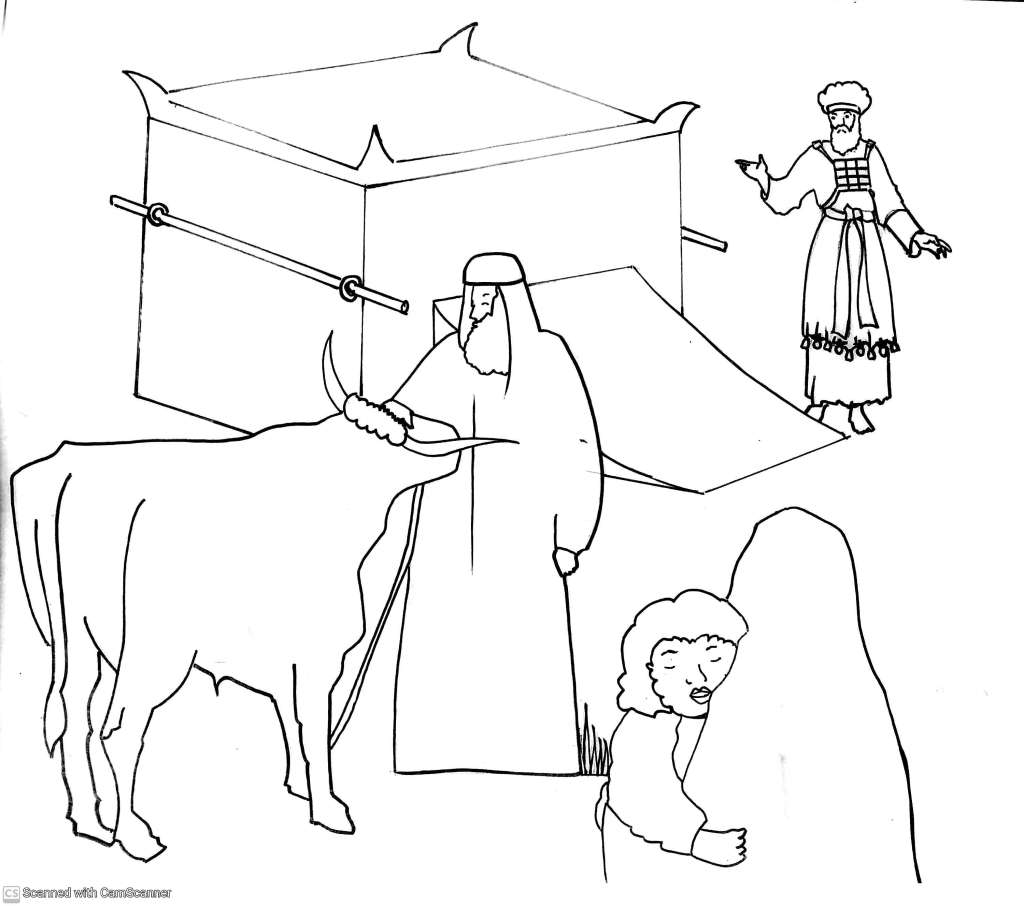
A bull is brought and blessed as a burnt offering. Vayikra chapter 1, verse 3 and 4

And the priest shall dip his finger in the blood, and sprinkle the face of the veil seven times. Vayikra chapter 4, verse 18
Tzav
Parashat Tzav  “Command” פָּרָשַׁת צַו Leviticus 6:1-8:36, is the second Torah portion in Leviticus, the 3rd Book of the five Books of the Bible, and the 25th weekly portion in the annual Jewish cycle of Torah reading which begins on Rosh Ha Shana, the-Jewish New Year.
In Parasha Tzav, G-d tells Moses in detail how to dress and anoint Aaron, the high priest, and his sons.
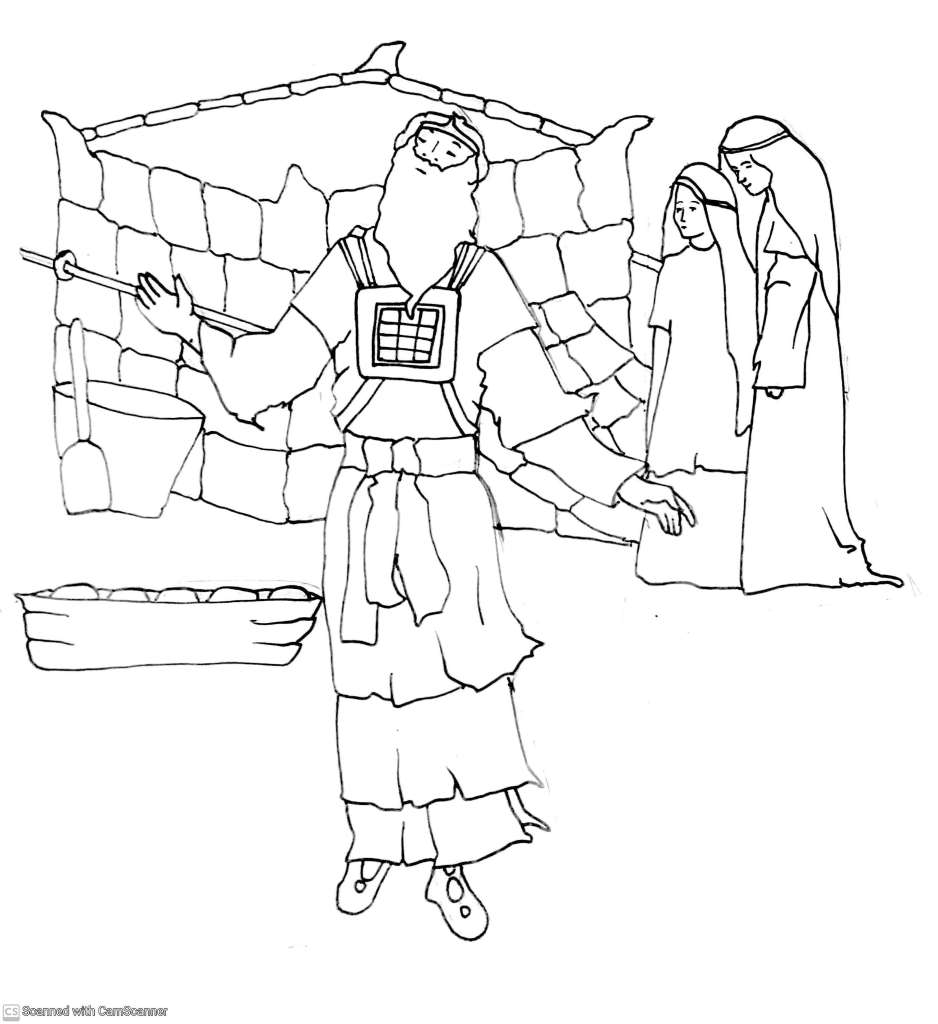
Aaron,with his sons, is seen near the alter of offering, in front of the meeting tent, dressed in his priestly garments for the first time.
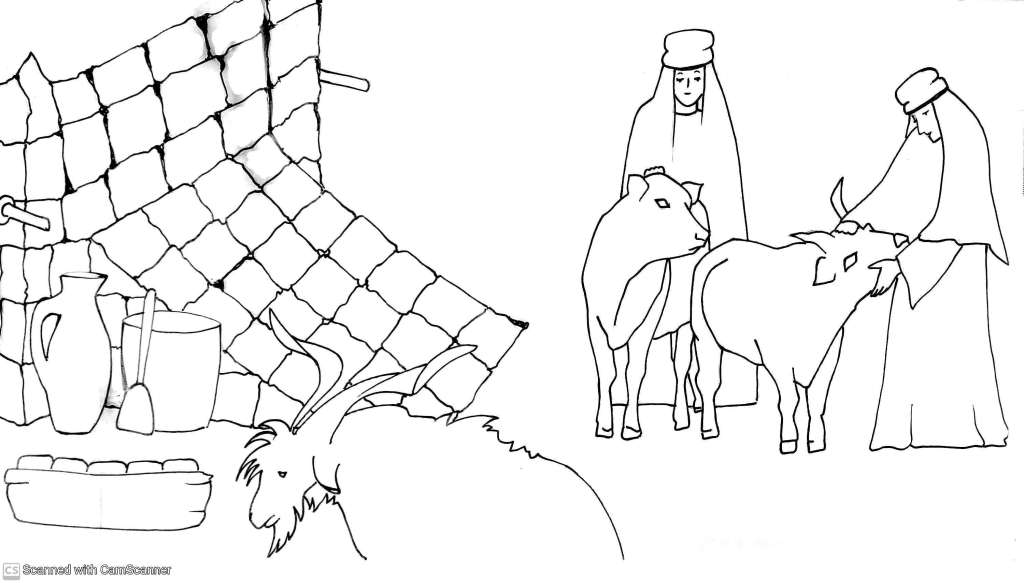
Aaron’s sons are laying their hands on bullocks who are being brought for a sin offering.
Shmini
Parasha Shmini “Eighth” פָּרָשַׁת  שְּׁמִינִי Leviticus 9:1-11:47, is the third Torah portion in Leviticus, the 3rd Book of the five Books of the Bible, and the 26th weekly portion in the annual Jewish cycle of Torah reading which begins on Rosh Ha Shana, the Jewish New Year.
Parasha Shmini deals in detail with priests entering into office.
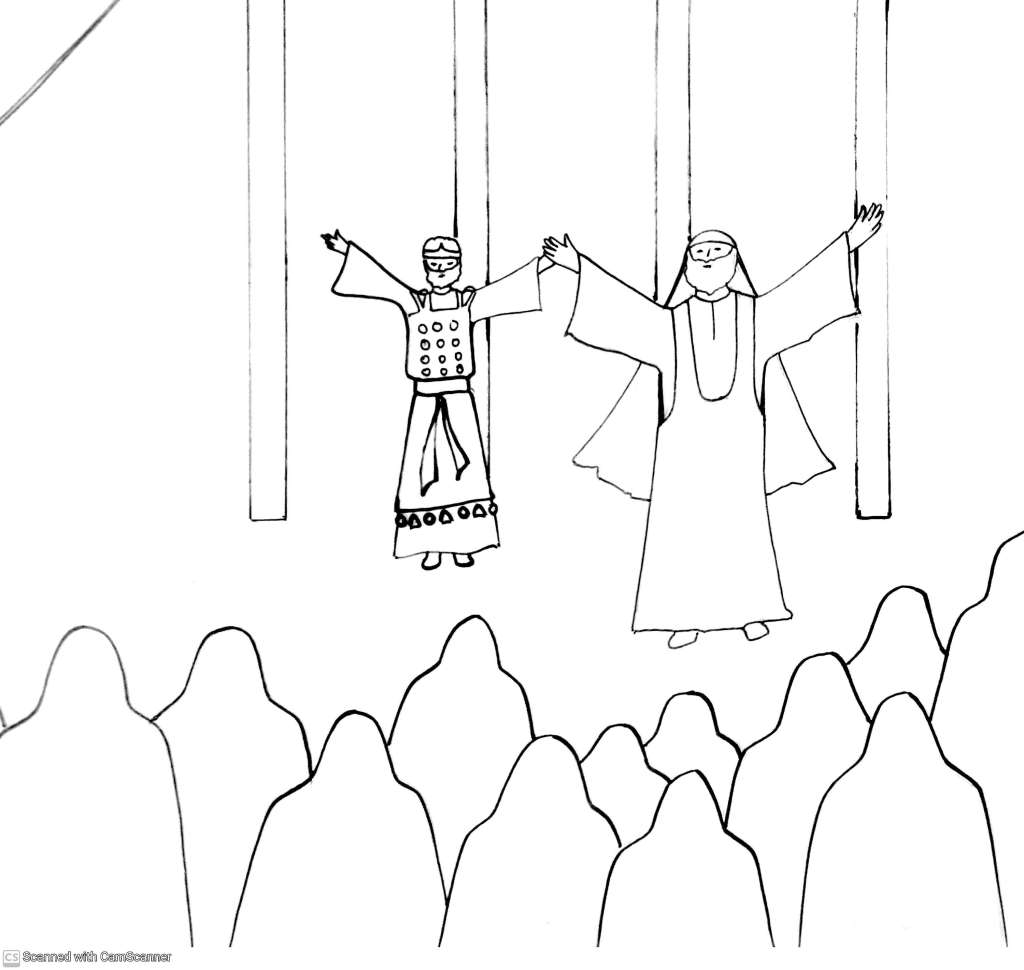
Moses and Aaron bless the Israelites in front of the sanctuary.

Aaron brings a bull and a ram as offerings.
Tazria-Metzora
Parasha Tazria-Metzora “She Bears Seed”-“Leper” פָּרָשַׁת תַזְרִיעַ־מְּצֹרָע Leviticus 12:1-15:33, is the forth and fifth Torah portion in Leviticus, the 3rd Book of the five Books of the Bible, and is the 27th and 28th weekly Torah portion in the annual Jewish cycle of Torah reading which begins on Rosh Ha Shana.
Parasha Tazria and Parasha Metzora are read together on regular years and read separately on leap year.
Parasha Tazria begins by describing the purification process for a woman after childbirth. Parasha Metzora deals with purification of persons and their homes from diseases of the skin
Tazria

A mother with new-born brings a lamb and a turtle-dove as offerings to the high priest.
Metzora
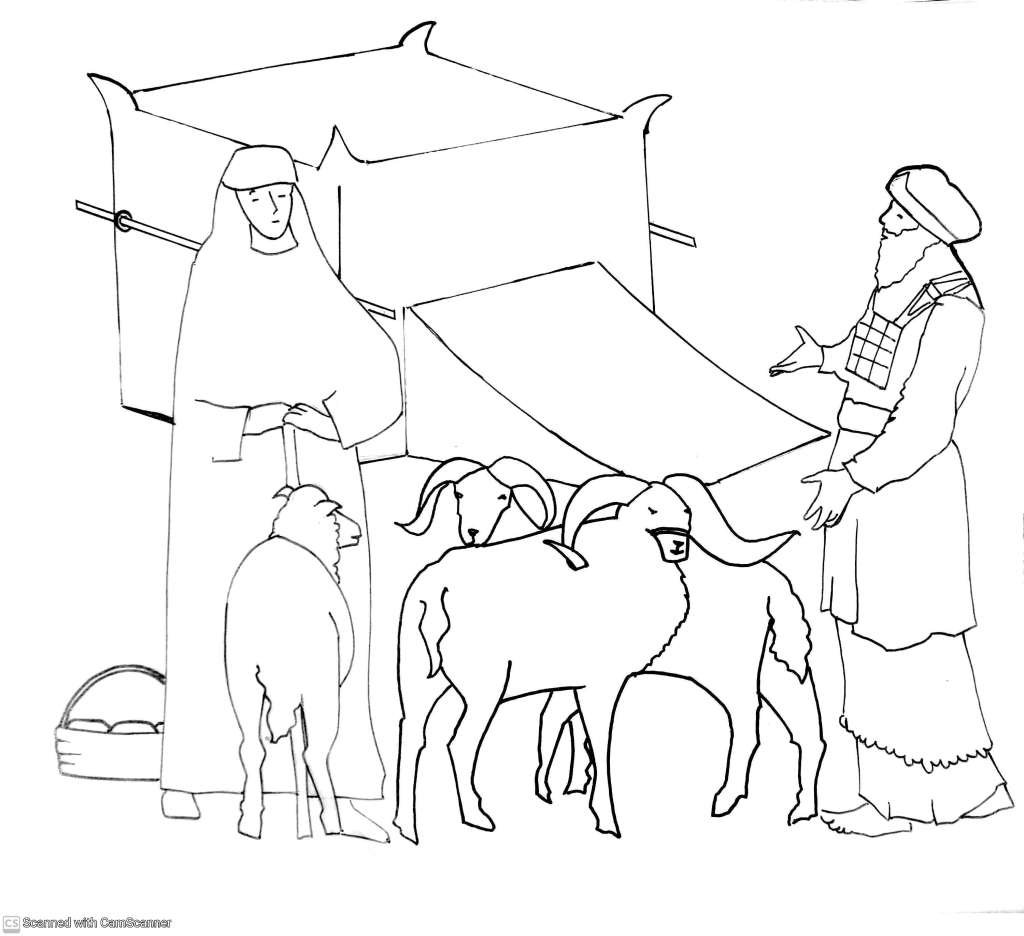
A cured leper, with a newly shaven head, brings lambs to the high priest for sacrifice.
Ahrei Mot
Parashat Achrei Mot “After The Death” פָּרָשַׁת אַחֲרֵי מוֹת Leviticus 16:1-18:30, is the 6th Torah portion in Leviticus, the 3rd Book of the five Books of the Bible, and the 29th weekly portion in the annual Jewish cycle of Torah reading which begins on Rosh Ha Shana, the Jewish New Year.
Parashat Achrei Mot deals with ritual ceremonies of the sanctuary including the high priest, Aaron’s, attire and offerings.

The high priest, Aaron, brings a young bull and rams to the Tabernacle. Leviticus 16:3
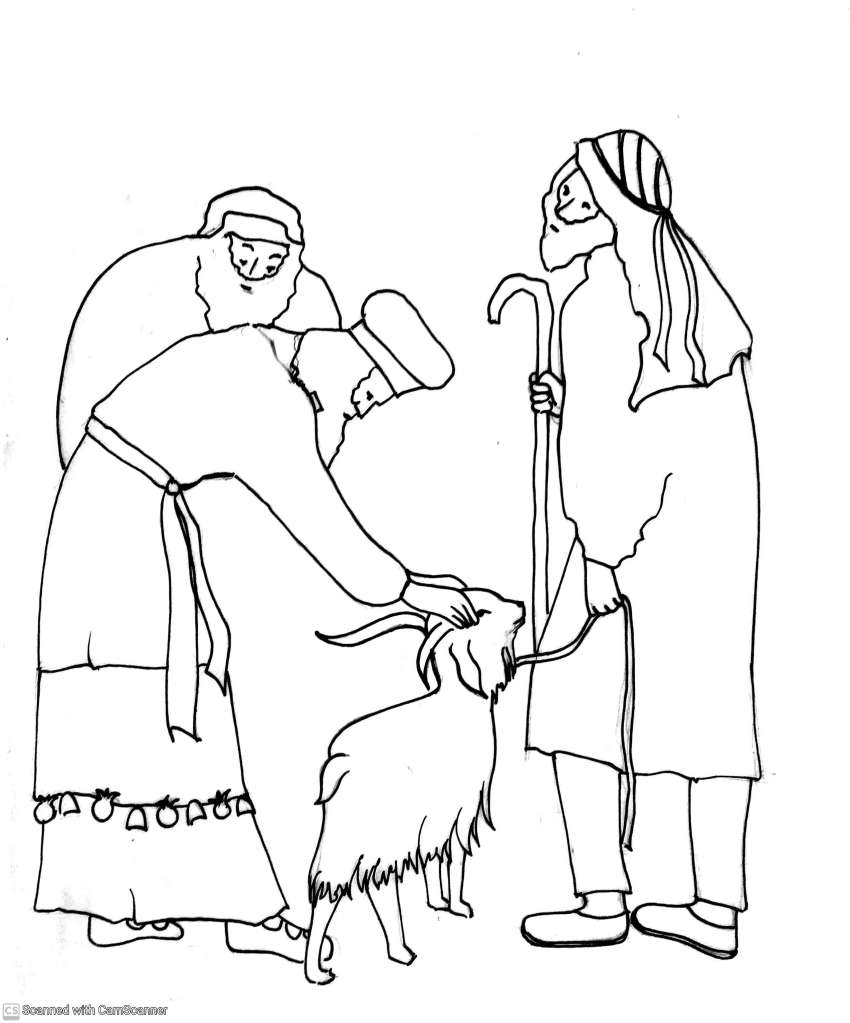
A goat is sent into the wilderness by Aaron to atone for the sins of the people. Leviticus 16:8
Kedoshim
Parashat Kedoshim “Holy” פָּרָשַׁת קְדשִׁים Leviticus 19:1-20:27, is the 7th Torah portion in Leviticus, the 3rd Book of the five Books of the Bible, and the 30th weekly portion in the annual Jewish cycle of Torah reading which begins on Rosh Ha Shana, the Jewish New Year.
Parahat Kedoshim deals with the laws pertaining to the Israelites.
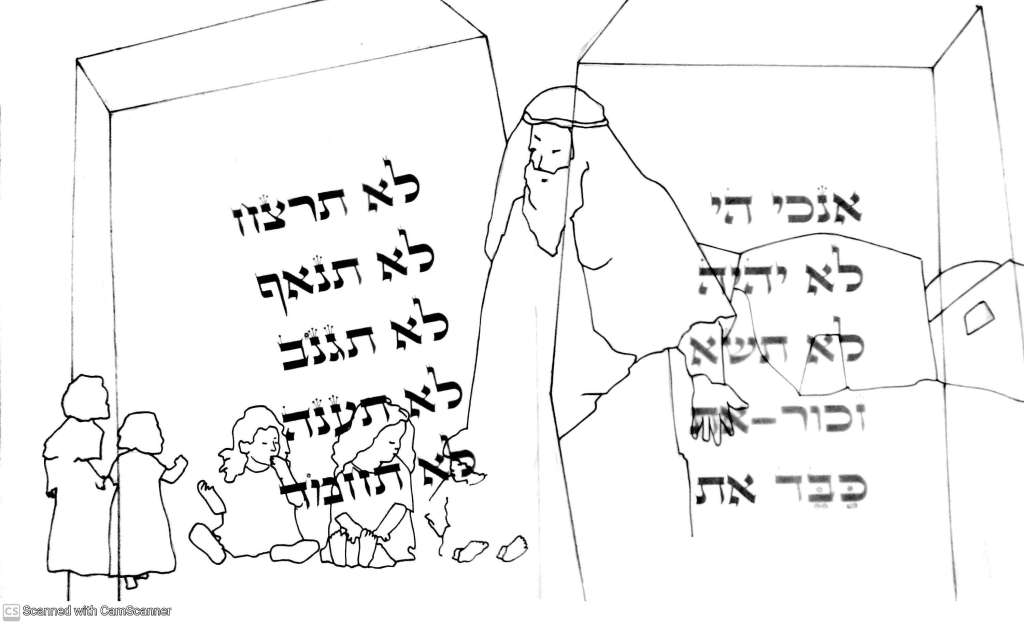
Moses teaches young children torah on a background of the Tablets of the Law.

Moses receives the Tablets of the Law at Mount Sinai. Leviticus, 20
Emor
Parashat Emor “Say” פָּרָשַׁת אֱמוֹר Leviticus 21:1-24:23, is the 8th Torah portion in Leviticus, the 3rd Book of the five Books of the Bible, and the 31st weekly portion in the annual Jewish cycle of Torah reading which begins on Rosh Ha Shana, the Jewish New Year.
Parasha Emor discusses the laws regarding the priests, the sanctuary and the festivals. In spring festival included bringing the first fruits to the Tabernacle and the sacrifice of a lamb or goat.
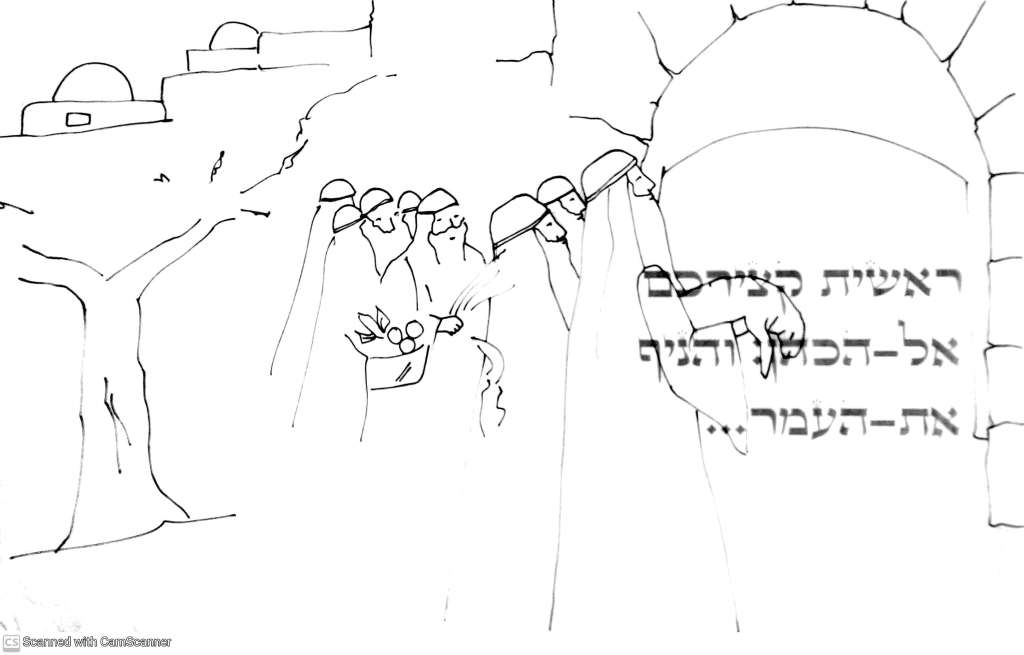
A lamb is being brought for the ceremony of the waving of the Omer. Leviticus 23, 12 Translation
“And in the day when ye wave the sheaf, (ye shall offer a yearling without blemish) for a burnt offering…”
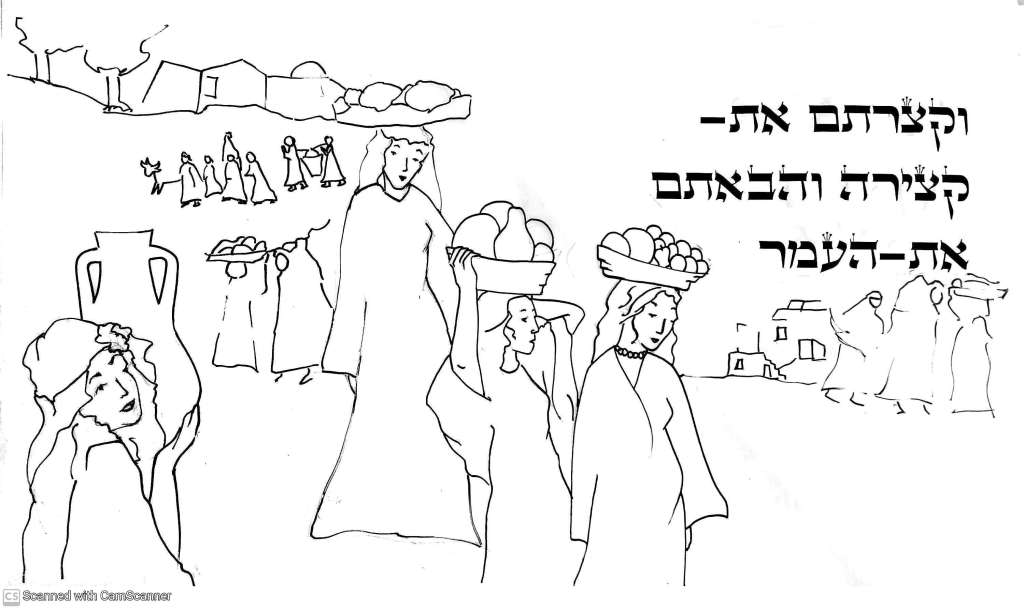
The first fruits of the harvest are being brought to the Tabernacle.
Translation of Hebrew (Leviticus 23, 9):
“You shall reap the harvest thereof, then you shall bring the first fruits of your harvest.”
The first fruits of the harvest are being brought to the Tabernacle.
Translation of Hebrew (Leviticus 23, 9):
“You shall reap the harvest thereof, then you shall bring the first fruits of your harvest.”
Behar-Bechukotai
Parashat Behar-Bechukotai  “On The Mountain”-“In My Laws” פָּרָשַׁת בְּהַר־בְּחֻקֹּתַי Leviticus 25:1-27:34, are the last two Torah portions in Leviticus, the 3rd Book of the five Books of the Bible, and the 32nd and 33rd weekly portions in the annual Jewish cycle of Torah reading which begins on Rosh Ha Shana, the Jewish New Year. Parasha Behar and Parasha Bechukotai are read together on regular years and separately on leap year.
Parasha Behar, which means "On The Mountain", explains the laws Moses received on Mount Sinai relating to the land the Israelites are to receive; giving the land a rest every seventh year; and the fiftieth year, Jubilee year, when debts are erased and slaves set free.
Parasha Bechukotai, which means "In My Laws", discusses the statutes and laws received at Mount Sinai, and the blessings to be expected by those upholding them.
 Israelcraft
